
One Large Roof Lantern or Two Smaller Ones?
Compare one large roof lantern with two smaller lanterns for room layout, roof structure, daylight, installation and maintenance.
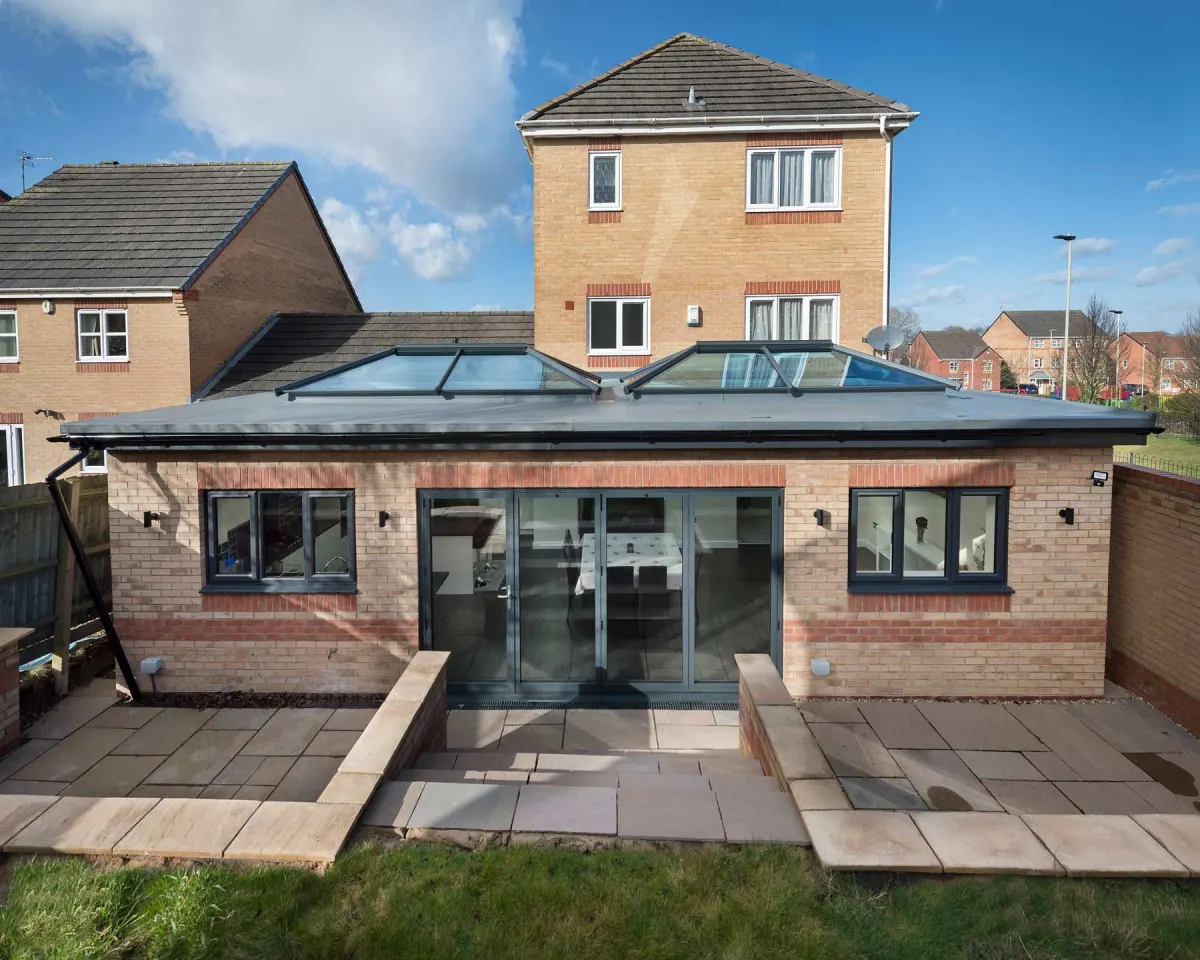
Start with the zones in your room
A kitchen and dining area may suggest two daylight focal points, while a single open space may suit one central lantern. Mark the furniture and walking routes before comparing options. Consider the view through the extension from the original house: the arrangement should make sense from the places you use most.
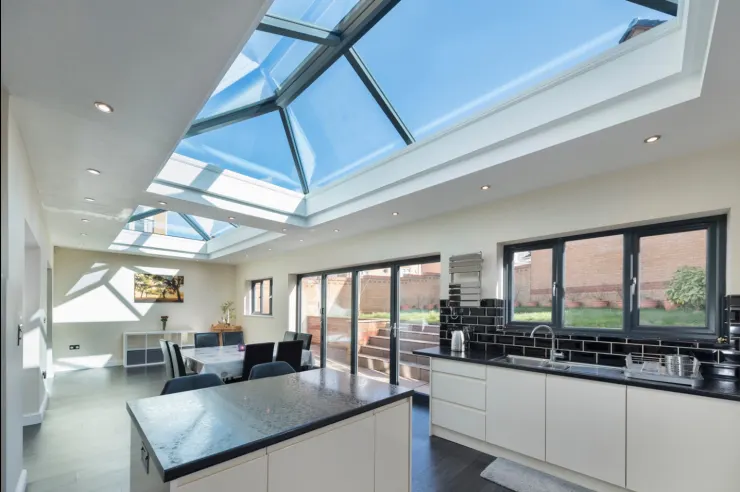
Ask the designer to compare structural implications
One large opening and two smaller openings require different roof details. The space between openings is not simply leftover roof covering; it forms part of the design that your builder and structural designer need to resolve. Do not combine or enlarge existing openings on the basis of rooflight dimensions alone. Confirm the supporting structure before pricing a final configuration.
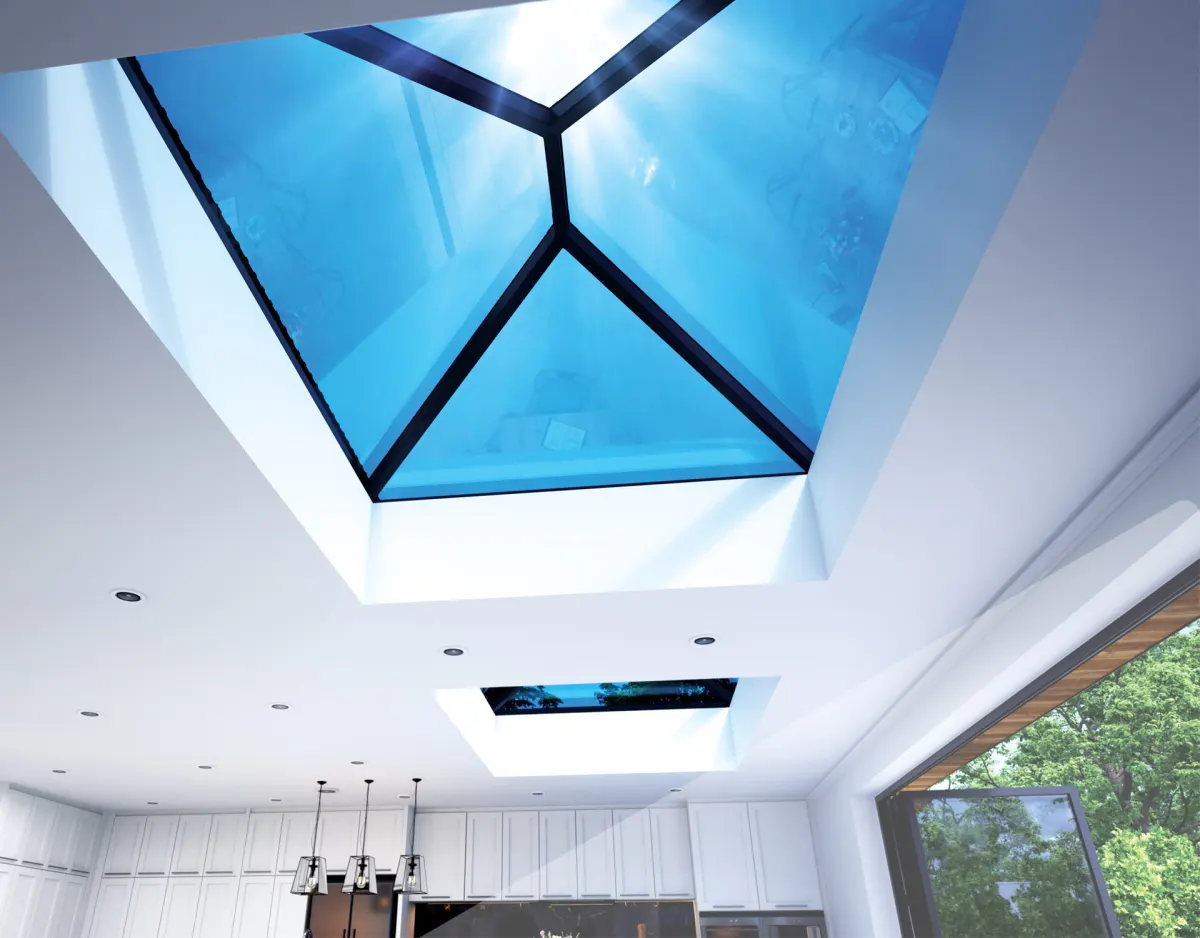
Compare the full order and installation
Two units mean two sets of perimeter junctions and two installation positions. A larger unit can have different handling and access requirements. Compare complete quotations, including the actual products, glazing, delivery and separately arranged installation. The cheapest glass area does not automatically produce the lowest total project cost.
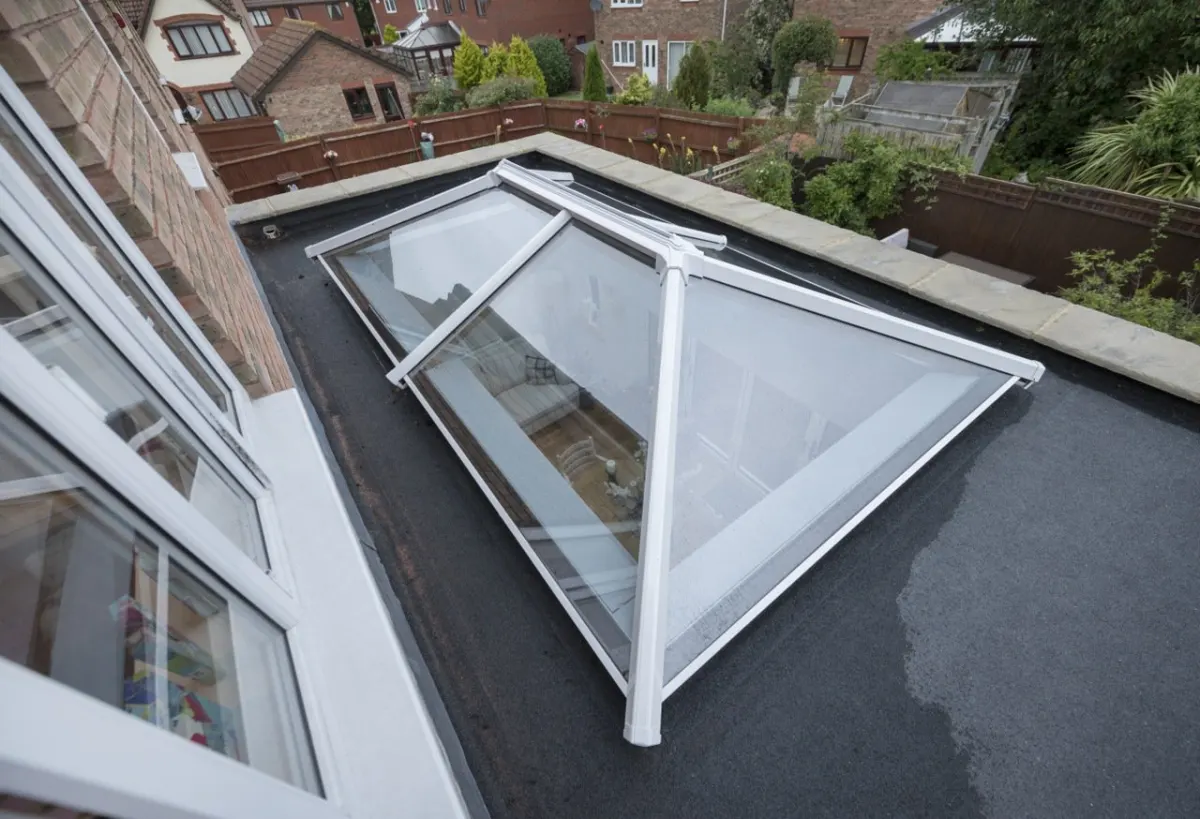
Include maintenance and visual balance
Think about how each unit will be reached for inspection and cleaning. Consider where roof drainage runs and how the frames align with the room below. Review available Ultrasky and Korniche layouts for the proposed dimensions, then have the installer check the ordering references. Keep both configurations clearly labelled while comparing them, and order only the final approved arrangement.
Compare specifications and configure your rooflight
Have your installer confirm the selected product's ordering dimensions and support details before placing an order. Read the measuring guide and keep the final specification with your project drawings.
